Seasonal Bread Baking: 6 Loaves and Flavors for Autumn and Winter
The first cool week of October changes how dough behaves. The kitchen window fogs, the flour feels drier under your fingers, and a bowl left on the counter takes six hours to double instead of three. It changes what you want to eat, too. The lean baguette that made sense in July gives way to something with weight: a seeded crust, a crumb sweetened with dried fruit, spice you can smell from the hallway. The shift is not only about flavor. Cold air slows fermentation, dry indoor heat pulls moisture from the dough’s surface, and the oven seems to take longer to recover after the door opens. Autumn baking is partly a matter of paying attention.
These six loaves follow that shift. Some are sourdough, some use commercial yeast, and all of them lean on what is in season or already in the cupboard — figs, walnuts, squash, chestnuts, rye, stout, cranberries. Each comes with the one or two details that decide whether the bake works, because in cold weather the small things are usually what make the difference. A warm bowl, a longer bulk ferment, a handful of toasted nuts, a few extra minutes in the oven: none of these is dramatic on its own, but together they turn a pale, sluggish loaf into something with a dark crust and a fragrant crumb.
A Cold-Kitchen Checklist
Before talking about flavors, it helps to set the conditions. Most autumn and winter bread problems are not recipe problems; they are temperature problems. The dough is fine, but the kitchen is not. Use these adjustments as a starting point, then trust what you see and feel.
- Warm the water, not the room. For commercial yeast, use liquid around 75°F to 80°F. For sourdough, lukewarm water is usually enough. Avoid water that feels hot to the wrist; it can slow or damage the culture rather than help it.
- Give the bowl a warmer home. A cold oven with the light on, a microwave with a mug of hot water, or a closed cabinet near the stove can shave hours off bulk fermentation. Keep the bowl covered so the surface does not dry out.
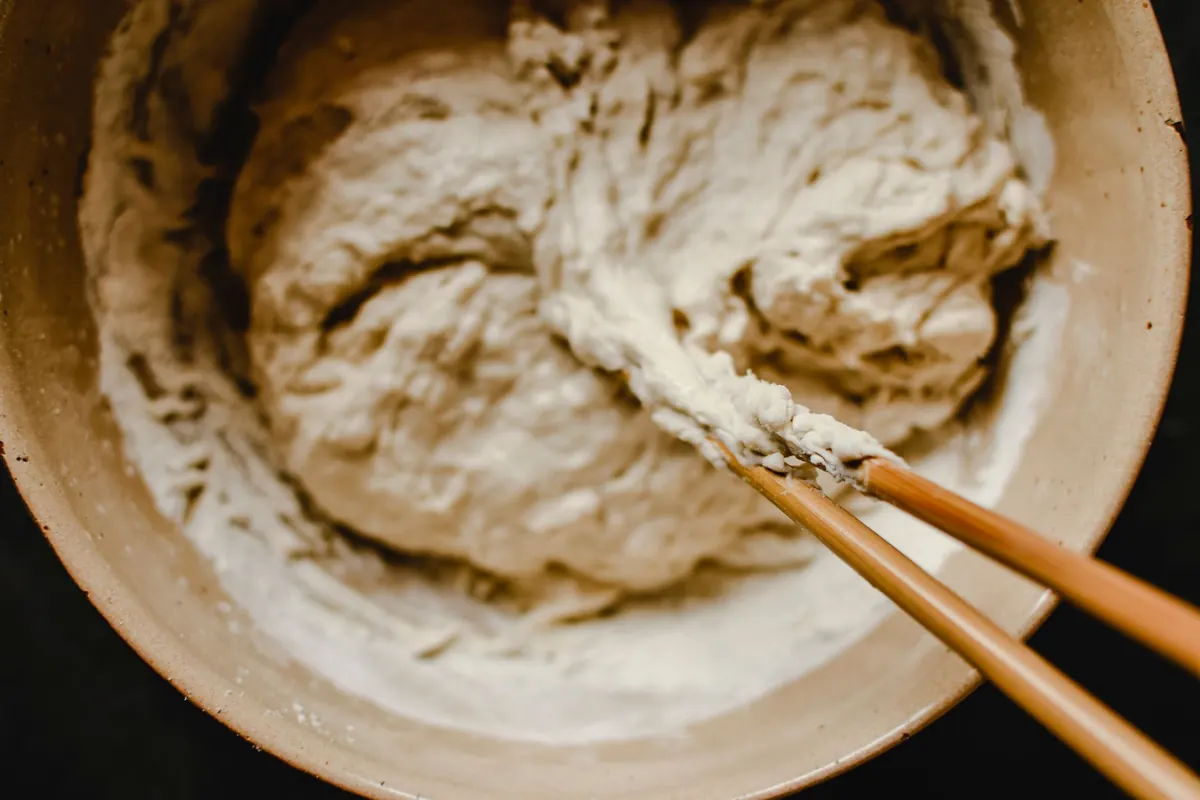
- Judge by feel and rise, not the clock. A dough that doubled in three hours in September may need five or six in January. Look for a domed top, visible bubbles, and a dough that feels light when you lift it.
- Keep the crust covered until it sets. Dry air can toughen the surface before the loaf has finished rising. A damp towel or a covered proofing box helps, but do not let the cloth stick to the dough.
- Bake to color, then to temperature. A deep brown crust is part of the flavor in cold-weather bread. For most lean loaves, an internal temperature of 200°F to 205°F is a useful final check; enriched loaves often want 190°F to 195°F.
Cold weather does not make bread harder; it makes it slower. Slower is often better, as long as the dough stays warm enough to move.
Six Loaves for the Short Days
These loaves are not a rigid menu. They are a set of directions: sweet with dried fruit, savory with squash, earthy with rye, dark with stout. Bake them in the order that matches your cupboard, and adjust the liquid as the flour and the weather ask.
1. Fig and Walnut Sourdough
Dried figs and walnuts are one of the most forgiving autumn combinations: sweet, slightly bitter, and rich enough to stand up to a dark crust. Toast the walnuts first, even if the recipe seems to move quickly. Toasting removes their raw edge and gives the crumb a deeper flavor. Chop the figs into small pieces and soak them briefly in warm water if they are very dry, then drain them well; wet fruit can leave gummy pockets in the dough. Add both ingredients during the last stretch of mixing or during a gentle lamination, so they are distributed without tearing the gluten. The dough can be moderately hydrated, around 72% to 75%, but a fig-heavy loaf benefits from a slightly firmer mix. Bake with steam for the first fifteen minutes, then finish uncovered until the crust is mahogany. This loaf is best the day after baking, when the fig sweetness has settled into the crumb.
2. Roasted Squash and Sage Boule
Roasted squash brings sugar and moisture, which means the baker has to make a choice: use it as a puree and reduce the water in the dough, or fold in small roasted cubes and accept a more open, uneven crumb. For a reliable boule, puree the squash until smooth and use it as part of the liquid. Roast it first rather than boiling it; roasting concentrates the flavor and drives off excess water. Sage should be used with a light hand. A tablespoon of finely chopped fresh sage is enough for a medium loaf, especially if you also add toasted pepitas for crunch. Because squash puree can make the dough feel slack, keep the bulk ferment slightly cooler and fold the dough two or three times in the first hour. The finished loaf should smell sweet and savory at once, with a crust that crackles as it cools.
3. Chestnut Rye with Honey
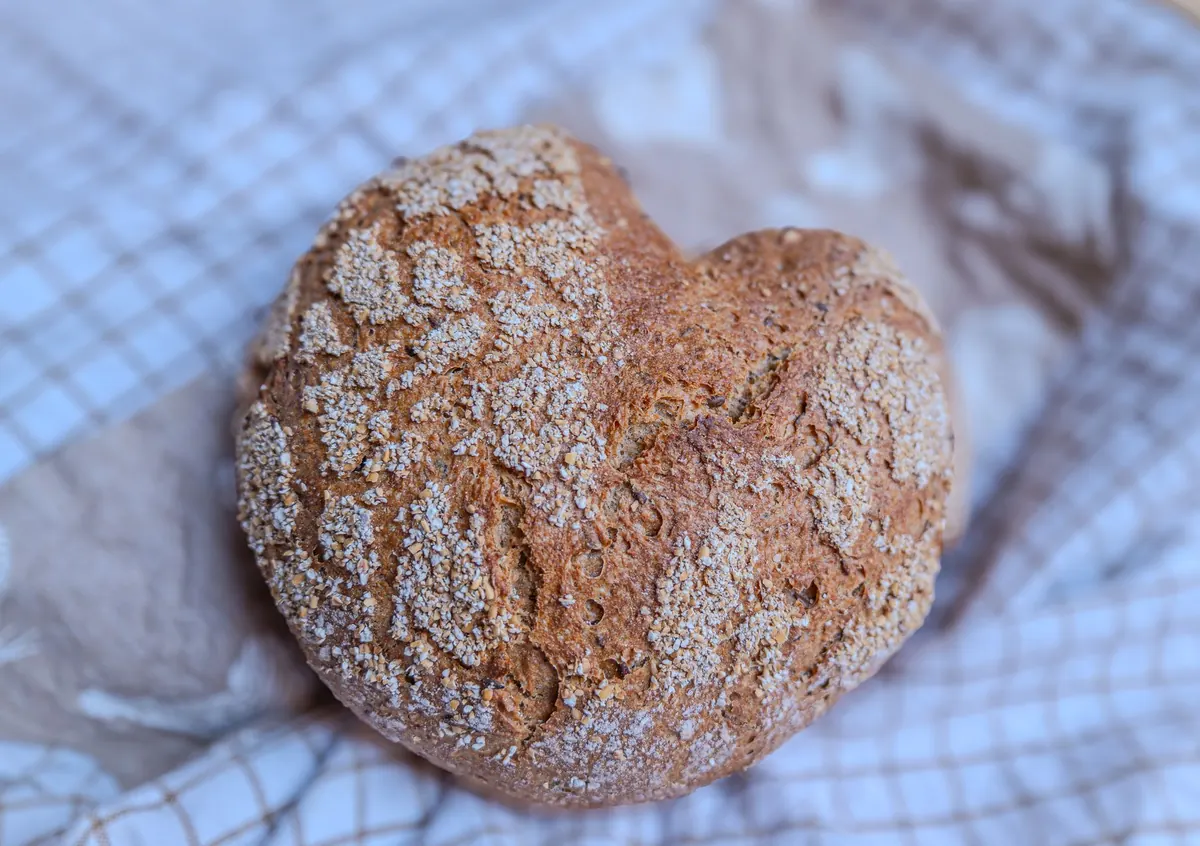
Chestnut rye is a loaf for the end of the year: dark, dense enough to slice thinly, and faintly sweet from honey. Cooked chestnuts are the easiest option, and they should be broken into coarse pieces rather than mashed. Rye dough behaves differently from wheat dough. It is sticky, it does not develop long gluten strands, and it can turn gummy if baked before it is fully set. Use a pan for this loaf, or shape it into a low round and bake it on parchment. Honey softens the rye’s sharpness but also encourages a fast, dark crust, so watch the oven in the last ten minutes. A long, cool final proof improves the flavor, but do not let it overproof; rye gives little warning before it begins to collapse. This is a good bread for butter, sharp cheese, and soup.
4. Cranberry and Orange Milk Bread
Not every winter loaf needs a sourdough starter. A soft milk bread with cranberries and orange zest is the kind of bread that disappears at breakfast before it ever reaches the table. The milk and butter keep the crumb tender, while the orange zest cuts through the tart cranberries. Add the cranberries after the dough has come together; if they are wet, pat them dry first, or the loaf will have damp spots around each berry. Use a light hand with the zest — a little goes a long way — and consider a simple egg wash before baking for a glossy, golden top. This dough likes a warm draft-free rise and a moderate oven. If you want a more savory version, swap the cranberries for chopped toasted pecans and increase the orange zest slightly.
5. Stout and Molasses Oat Loaf
Stout and molasses make a loaf that tastes like the dark end of the season: bittersweet, malty, and sturdy enough for toast. Warm the stout gently and let it go flat before mixing; the carbonation can make the dough rise unevenly. Molasses is assertive, so start with a modest amount and increase only if you want a stronger flavor. Oats add a chewy texture and help keep the crumb moist for several days. This loaf works well with commercial yeast because the beer and molasses already bring plenty of flavor, but a mature sourdough starter can also be used with a longer bulk ferment. Bake it darker than you think you should. The crust should be almost black in places, and the interior should stay soft and slightly sweet.
6. Seeded Spelt with Pear and Hazelnut
Spelt has a nutty, slightly sweet flavor and a gluten structure that is more fragile than wheat’s. Treat it gently. Mix the dough until it just comes together, then use folds rather than prolonged kneading. Pears should be firm and ripe but not soft; dice them small and fold them in with toasted hazelnuts and a handful of mixed seeds. The seeds can go on the outside, too, pressed onto a lightly dampened surface before the final proof. Because spelt can overproof quickly, keep an eye on it in the last hour. A pan loaf is a safe choice for beginners, while a free-form boule will give a rustic, uneven crumb. This bread is excellent with honey, blue cheese, or a thin layer of salted butter.
How to Tell When a Winter Loaf Is Ready
Winter baking rewards the baker who looks closely. The clock is a guide, not a rule. A dough that has risen for hours in a cool kitchen may still be slow to spring in the oven if it has dried out or lost warmth. Before baking, check the surface: it should look alive, with small bubbles and a slight sheen. Press it gently with a floured finger; a ripe dough springs back slowly, while an underproofed dough springs back fast and an overproofed one barely recovers at all.
- Look for color, not just time. Most autumn loaves want a deeper bake than summer bread. A pale crust often means a bland crust.
- Listen for the crackle. As the loaf cools, the crust may snap and settle. That sound usually means a crisp exterior and a moist interior.
- Wait before slicing. Bread is still setting as it cools. A hot loaf can seem gummy even when it is perfectly baked, especially with rye, squash, or fruit-heavy doughs.
- Store cut bread cut-side down. A linen bag or a bread box is better than a plastic bag for crusty loaves; plastic traps moisture and softens the crust faster than you might expect.
The best autumn and winter breads are not the most complicated ones. They are the loaves that meet the season halfway: a little warmer, a little slower, a little darker, and full of flavors that make the short days feel longer. Start with one loaf, keep notes on the temperature and timing, and let the next bake adjust to the kitchen you actually have.
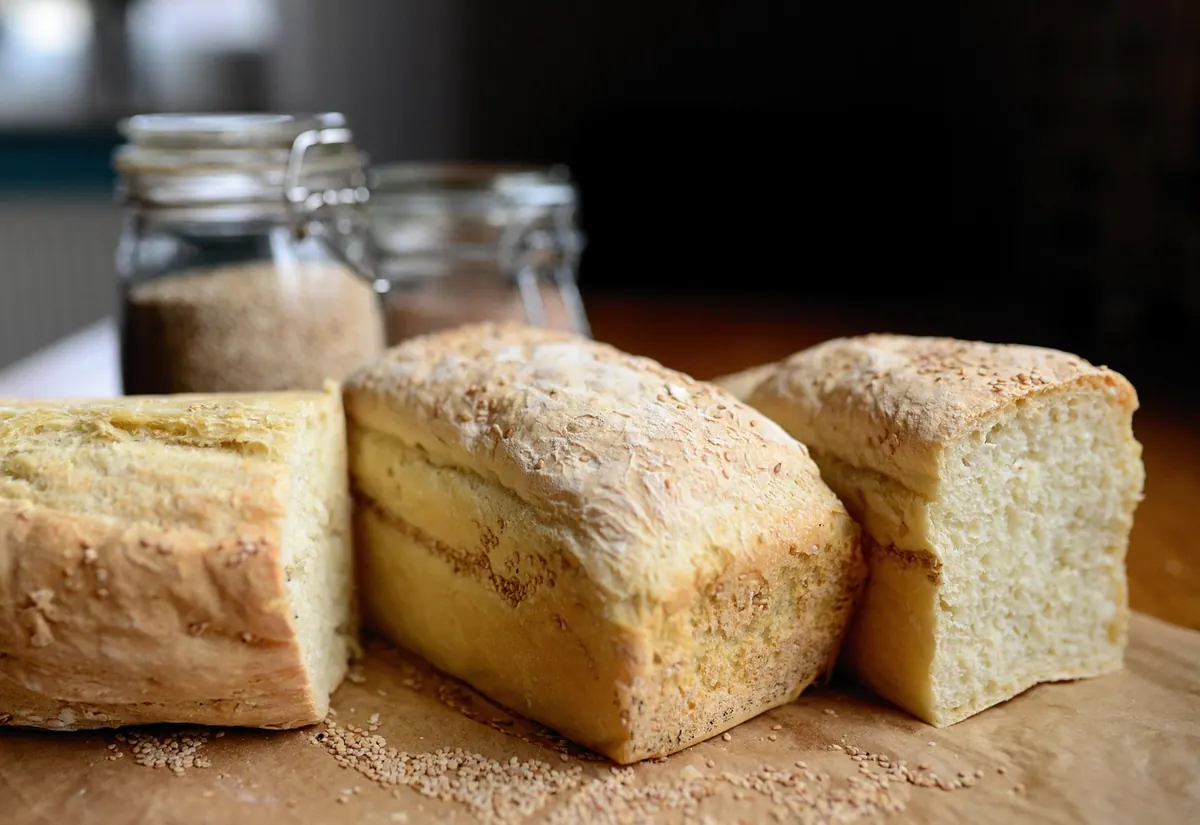
Photo: congerdesign / Pixabay