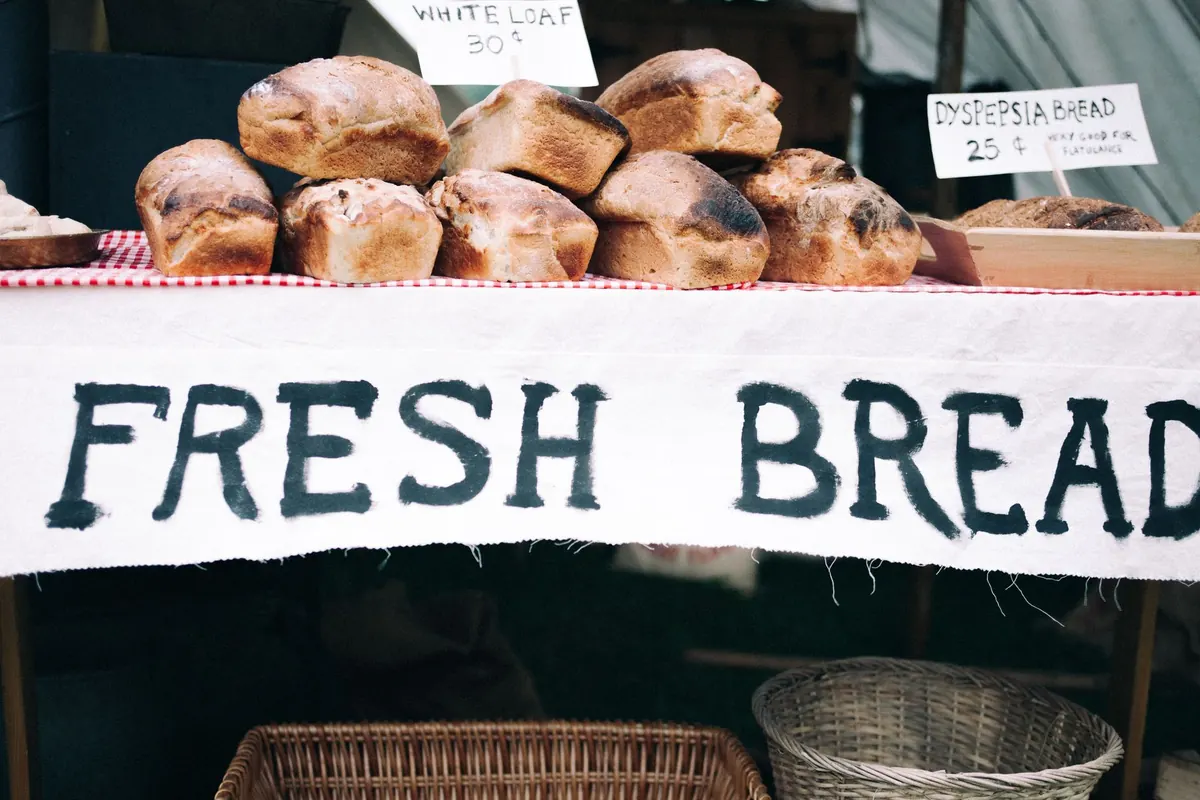
Nearly every loaf on this list begins with the same short list of ingredients: flour, water, salt, and something that makes it rise. What changes is the balance between them and the way the dough is treated. A baguette and a brioche are cousins, not strangers. Once you can see the families, the bread aisle of any bakery, in any country, starts to look less like a wall of unfamiliar names and more like a set of variations you already understand.
This is a starter guide, not a rulebook. Twelve loaves, grouped by what makes them behave the way they do, with the small practical details that separate a decent bake from a memorable one.
The Four Levers That Shape a Loaf
Before the names, the mechanics. Almost every difference between bread styles comes down to four decisions.
- Flour. High-protein wheat flour gives structure and chew; low-protein flour gives tenderness. Rye brings its own rules, because it barely forms gluten and needs acidity to hold together.
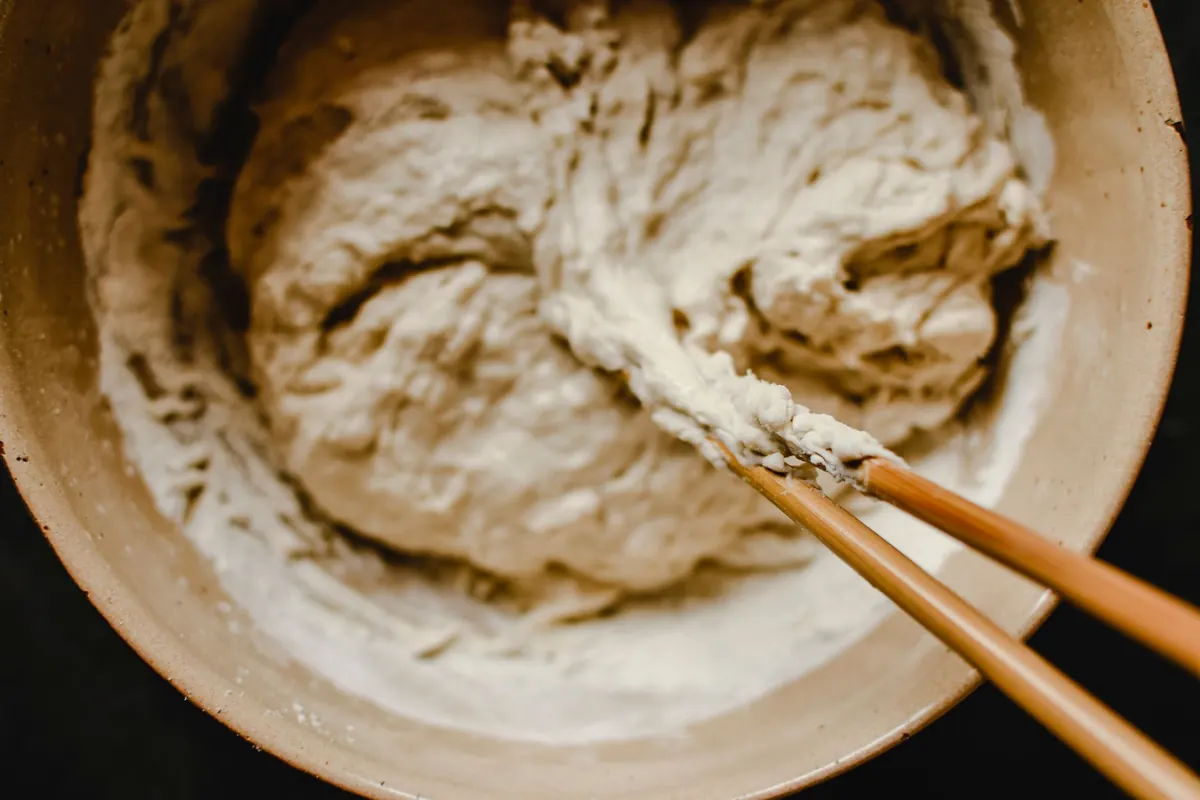
- Hydration. The ratio of water to flour. A stiff dough is easy to handle and bakes dense; a wet dough is sticky and bakes open, but only if you build strength through folding.
- Enrichment. Fat, sugar, eggs, and milk soften the crumb and slow fermentation. The more you add, the longer the dough needs and the gentler the bake.
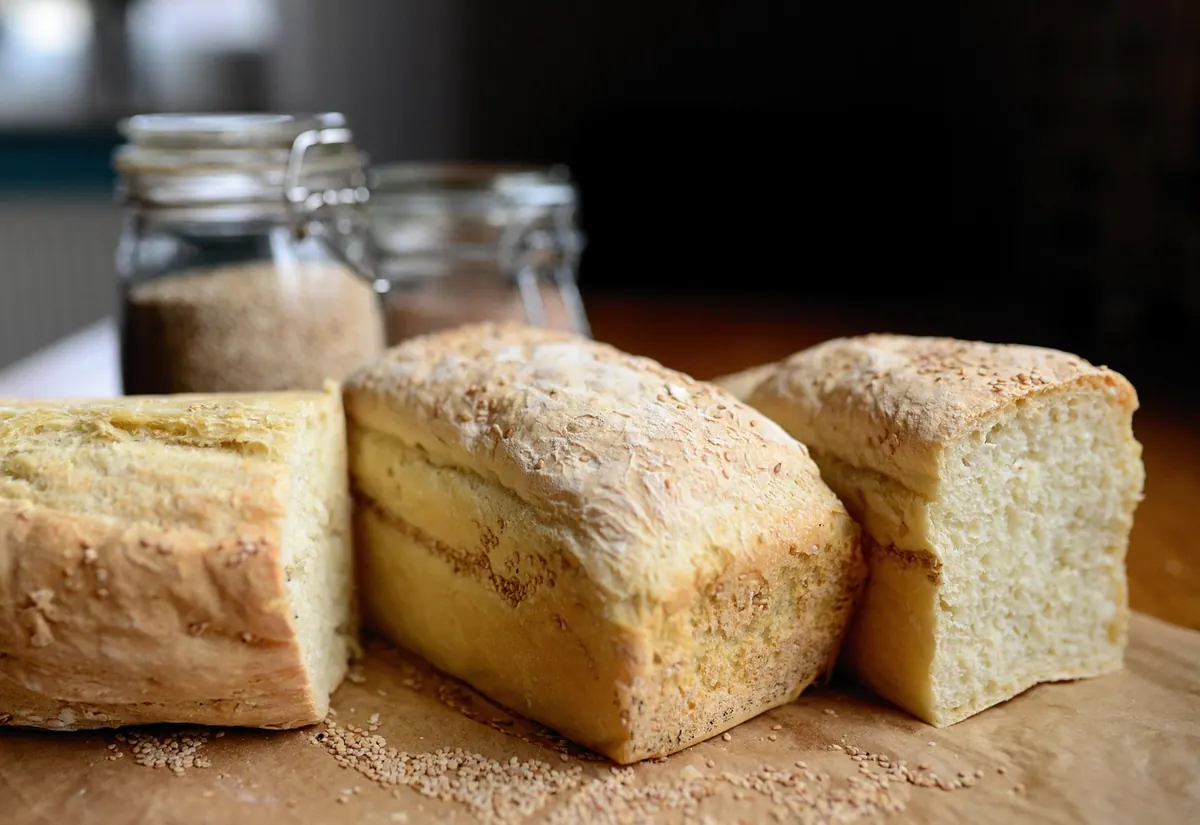
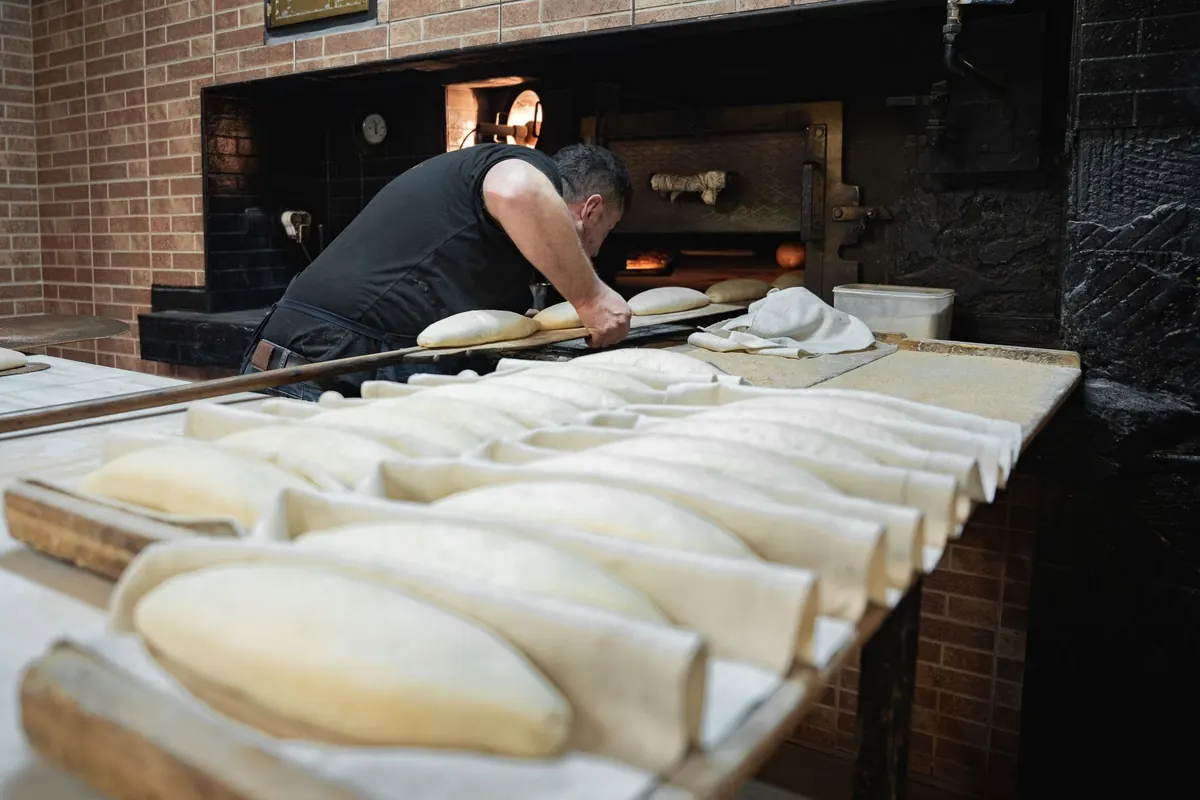
- The bake. Steam and fierce heat give a thin, blistered crust. A dry oven gives an even, golden one. A dry pan on the stovetop gives flatbread. Boiling before baking gives a bagel.
Keep those four in mind and the twelve loaves below sort themselves into groups.
Lean and Crusty: The European Classics
Lean means no fat, no sugar — just flour, water, salt, and leaven. These loaves live or die on fermentation and heat.
Baguette
Long, thin, and unforgiving. The dough is fairly wet, and the shape has a large surface area, which is why home versions often come out pale and tight. Two things help: shaping with tension rather than force, and baking hot with steam for the first ten minutes. Score the top at a shallow angle, not straight down, and let the cuts overlap slightly so the loaf opens rather than tears.
Ciabatta
Italy's answer to a very wet dough. Ciabatta is often well over 75 percent hydration, which makes kneading on a counter pointless. Instead, fold the dough in the bowl every half hour or so during the first rise, then tip it out gently onto a floured cloth and cut it into slippers. Handle it like something you are trying not to wake. The reward is a crumb full of irregular holes and a crust that stays crisp for hours.
Sourdough Boule
The round country loaf raised by a wild starter instead of commercial yeast. It is the most patient bread here: a long, cool fermentation develops flavor that no shortcut reproduces. Baking inside a preheated Dutch oven is the most reliable home method, because the enclosed space traps the steam the crust needs. Slice it only after it has cooled completely — cutting warm bread squashes the crumb you worked for.
German Rye (Bauernbrot)
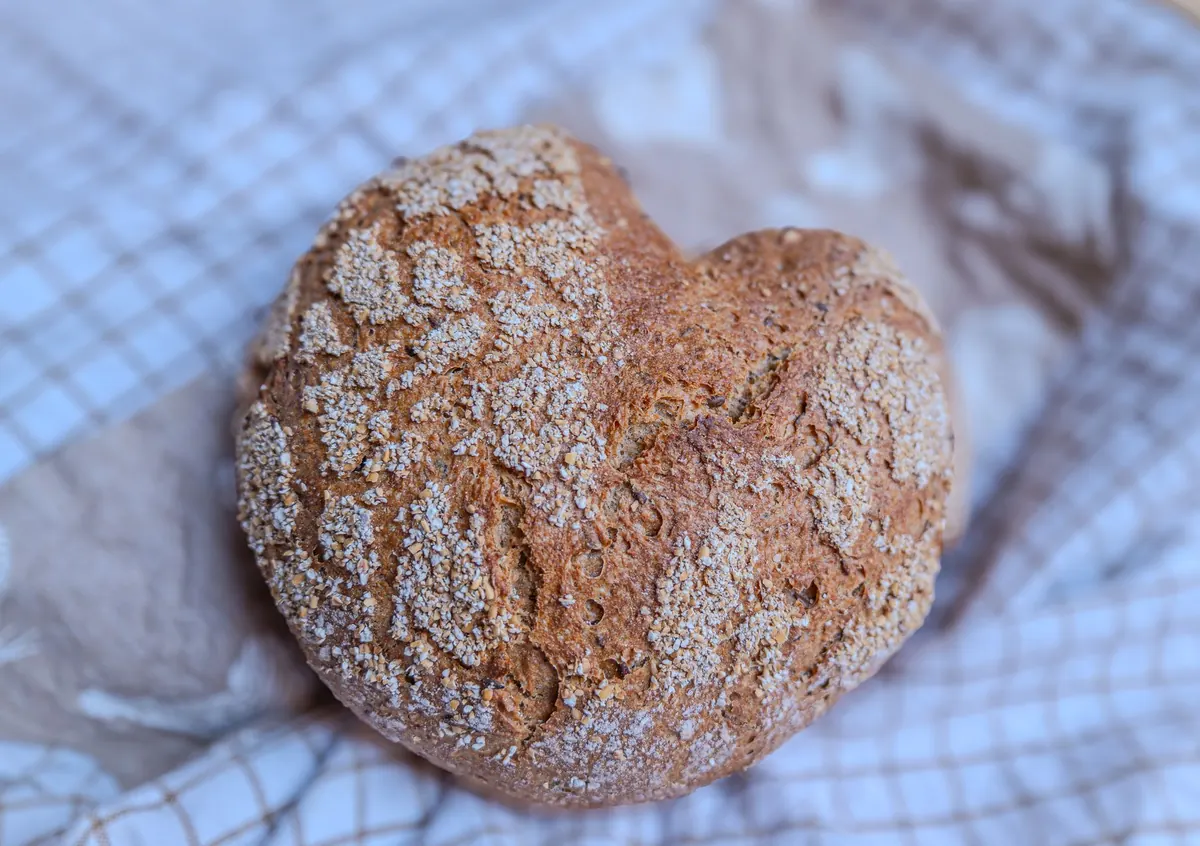
Rye behaves differently from wheat. It is low in gluten-forming protein and high in enzymes that need acidity to stay in check, which is why rye breads are built on sourdough rather than yeast alone. Expect a denser, moister loaf with a pronounced tang. A portion of wheat flour lightens it; a handful of sunflower or flax seeds makes it a meal.
Enriched and Celebration Breads
Add butter, eggs, or sugar and the dough becomes softer, sweeter, and slower. These loaves are usually baked at a lower temperature so the crust does not darken before the center sets.
Challah is the braided Sabbath bread of Jewish tradition, made with eggs and oil but no dairy. The braid is not decoration for its own sake — it creates an uneven surface that browns beautifully, and it lets you tear the loaf rather than slice it. Brioche pushes enrichment to the limit with a high proportion of butter. The dough is easiest to work when cold, so mix it, chill it thoroughly, and shape it before the butter has a chance to soften. Bagels are the odd one out: shaped, briefly boiled, then baked. The boil sets the crust, which is why a bagel is chewy rather than fluffy. Add a spoonful of malt syrup to the water if you have it.
Flatbreads: Griddle, Oven, and Fire
Flatbreads skip the long proof-and-shape routine and go straight to high heat. They are the fastest way into bread baking and the most forgiving.
Pita is a high-hydration dough rolled thin and baked on a screaming hot stone. The pocket forms because the outer layers set before the steam inside can escape, so the dough puffs into a balloon. If your pitas come out like crackers, the oven was not hot enough or the dough was too dry. Naan is enriched with yogurt and cooked on a hot cast-iron pan or under a grill; brush it with butter or ghee as it comes off the heat. Corn tortillas are a different branch entirely — nixtamalized corn flour, no yeast, pressed and cooked on a dry comal in under a minute a side. Focaccia sits between flatbread and loaf: a wet dough pressed into an oiled pan, dimpled with your fingertips, and generous with olive oil and flaky salt before it goes into the oven.
Quick Breads: When There Is No Time to Wait
Irish soda bread relies on baking soda and buttermilk instead of yeast. The acid-base reaction starts the moment the liquid hits the flour, so the dough must be mixed briefly and baked immediately. Overwork it and you get a heavy brick; treat it roughly and you get a tender loaf with a craggy top. Add raisins and caraway if you like, but plain soda bread with butter is one of the best arguments for keeping buttermilk in the fridge.
The Twelve at a Glance
- Baguette — lean, wet dough, hot steam bake, thin blistered crust.
- Ciabatta — very high hydration, folding instead of kneading, open crumb.
- Sourdough boule — wild starter, long cold fermentation, baked covered.
- Bauernbrot — rye sourdough, dense and tangy, often seeded.
- Challah — egg-enriched, braided, glossy and soft.
- Brioche — butter-rich, cold dough, tender and cake-like.
- Bagel — boiled then baked, chewy crust, tight crumb.
- Pita — rolled thin, baked very hot, steams into a pocket.
- Naan — yogurt-enriched, cooked on a hot pan, brushed with ghee.
- Corn tortilla — nixtamalized corn, no yeast, cooked on a dry comal.
- Focaccia — pan-baked, dimpled, olive oil heavy.
- Soda bread — chemical leavening, minimal mixing, baked at once.
Where to Start This Weekend
If you are new to this, do not begin with baguettes. Start with soda bread or focaccia: both are ready in under two hours and both tell you clearly when something went wrong. Once you can handle a wet dough without panic, move to pita, which teaches you about oven heat and rolling evenly. Only then attempt a lean yeasted or sourdough loaf, where fermentation timing matters.
Three habits will improve every loaf you make. Weigh your ingredients instead of using cups, because flour compacts unpredictably. Write down what you did — hydration, room temperature, rise time — so you can repeat a success or fix a failure. And judge doneness by color and feel rather than by the clock, since every oven runs a little hot or cold.
Finally, let bread cool before you cut it. It is the hardest rule to keep and the one that most often decides whether the loaf you worked all day for tastes as good as it looks.
Photo: Clem Onojeghuo / Pexels